Rated “Excellent” by
Shopper Approved



Tires 101
Everything you need
to know about tires
Tire Maintenance & Safety
Tires affect your vehicle handling, ride, braking, and safety. For optimum performance, tires must have the correct air pressure, tread depth, balance and the wheels of the vehicle must be properly aligned. Learn all about these topics and more from our tire maintenace & safety articles.
How to read tire size
That number on your sidewall isn't random — here's what each part means.
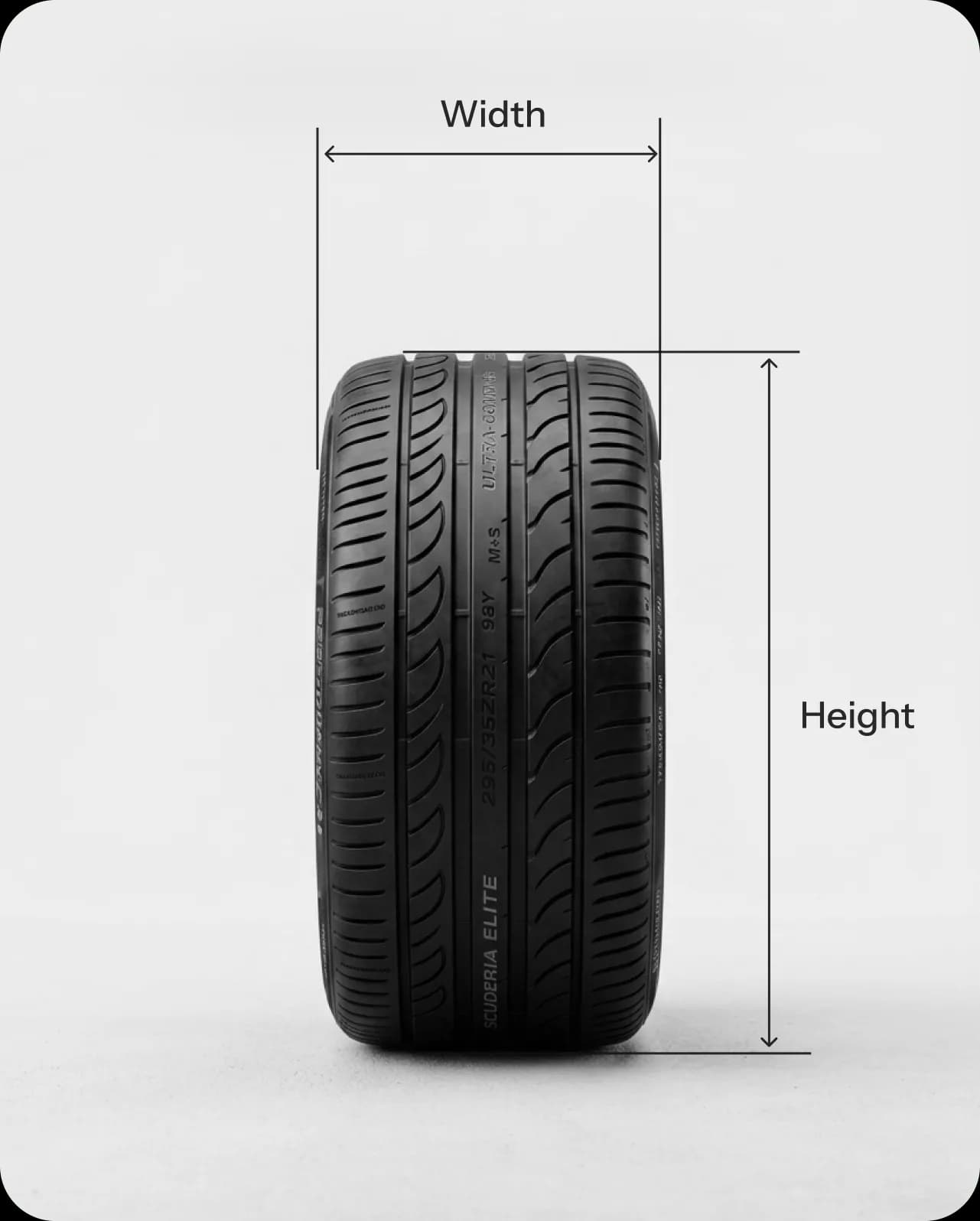
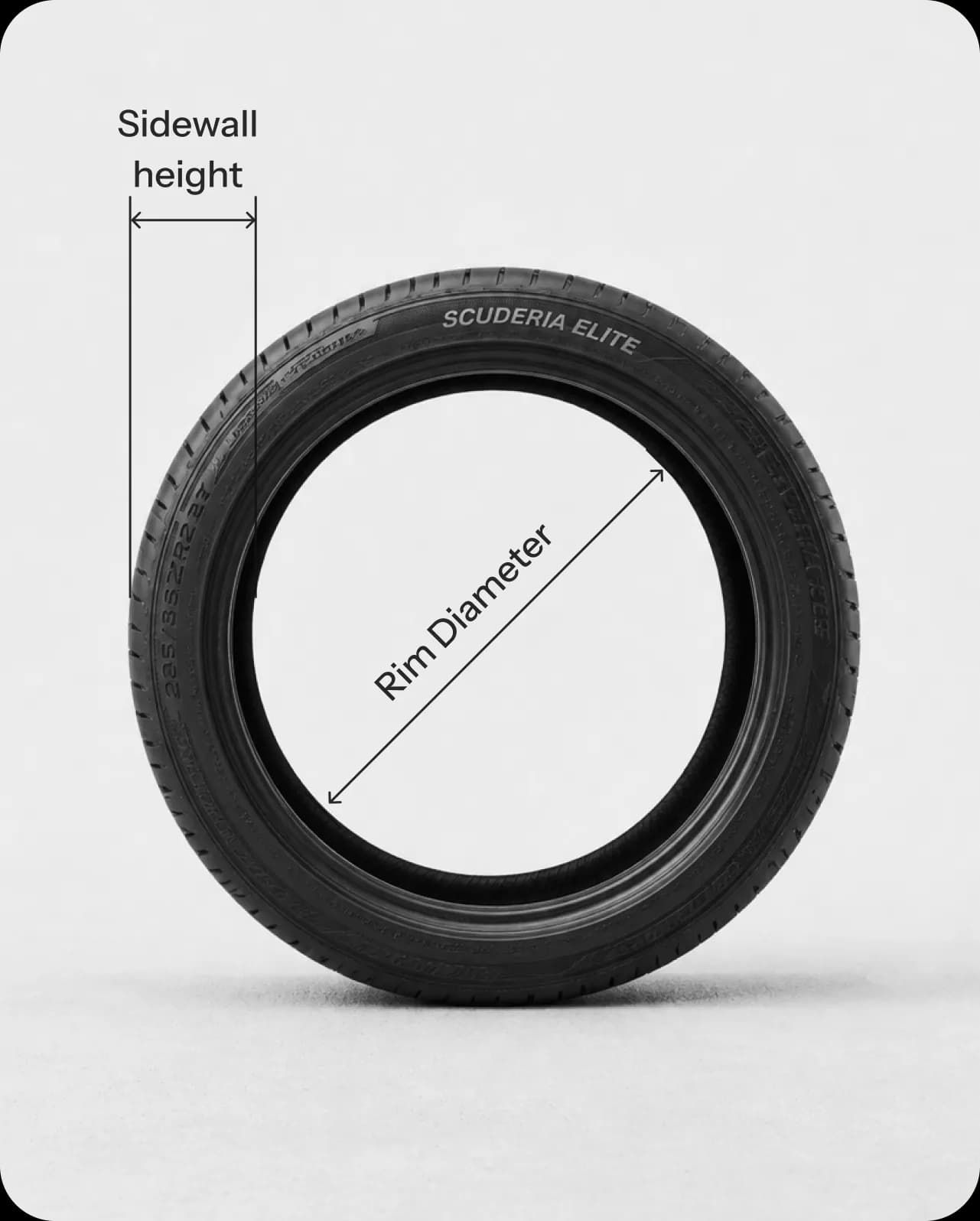
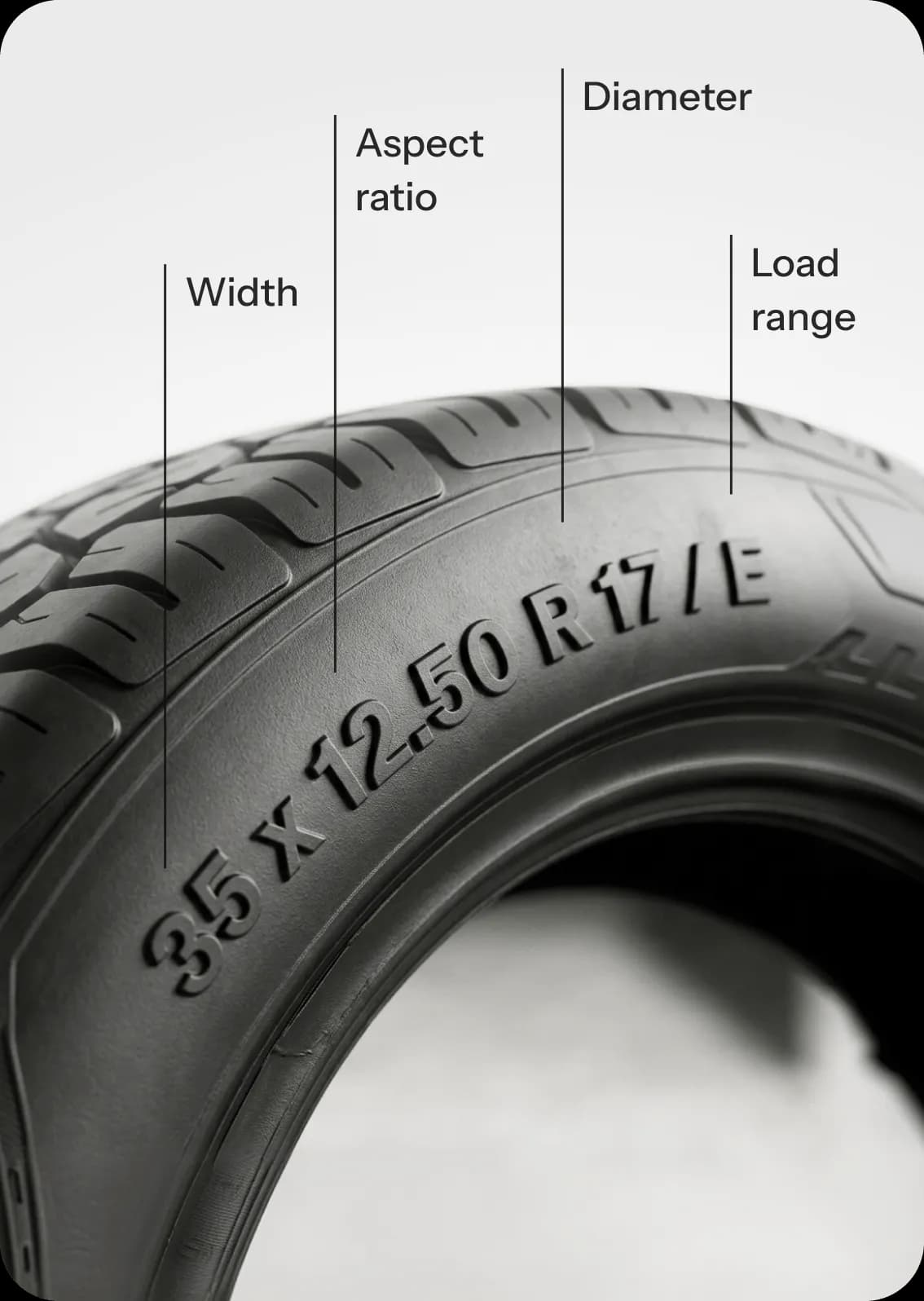
Width
The width of the tire in millimeters from sidewall to sidewall. A wider tire gives more grip but uses more fuel.
Sidewall height
The height of the sidewall from the rim to the tread, which cushions the ride and affects handling response.
Aspect Ratio
The height of the sidewall as a percentage of the width. Lower number = sportier, stiffer ride.
Rim Diameter
The diameter of the wheel this tire fits, measured in inches. Must match your rim exactly.
Tire types explained
Different tires for different roads. Find out which one fits your driving style.

Year-round driving in mild climates — dry, wet, light snow. Great balance for everyday commuters.

Reliable from -10°C to +35°C — handles everyday temperature swings with ease.

Typically 60,000–80,000 miles. Longest lifespan among tire categories.

When to replace your tires
Don't wait for a blowout. Here are the signals to watch.

Age over 6 years
Rubber degrades even with low mileage. Check the DOT date on the sidewall.

Tread below 2/32"
The classic penny test: if you see Lincoln's head — time to replace.

Vibration or pulling
Uneven wear or internal damage. Get inspected immediately.

Cracks or bulges
Sidewall damage is a blowout risk. Replace immediately, no exceptions.
Understanding UTQG ratings
Every tire has a 3-part grade stamped on the sidewall. Here's what it means.
Treadwear
Higher = longer lasting. 100 is the baseline. Most tires range 200–700.
Traction
Wet braking performance. AA is best, then A, B, C.
Temperature
Heat resistance at speed. A is best, then B, C.
Common questions


Now You know
Let's find your perfect tires